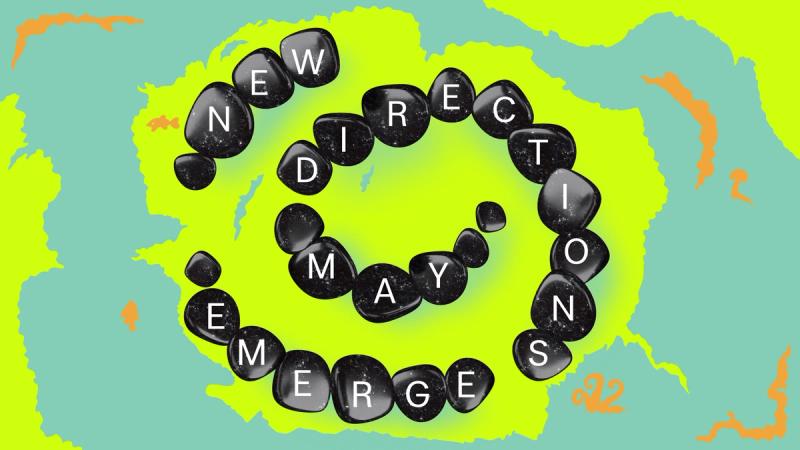
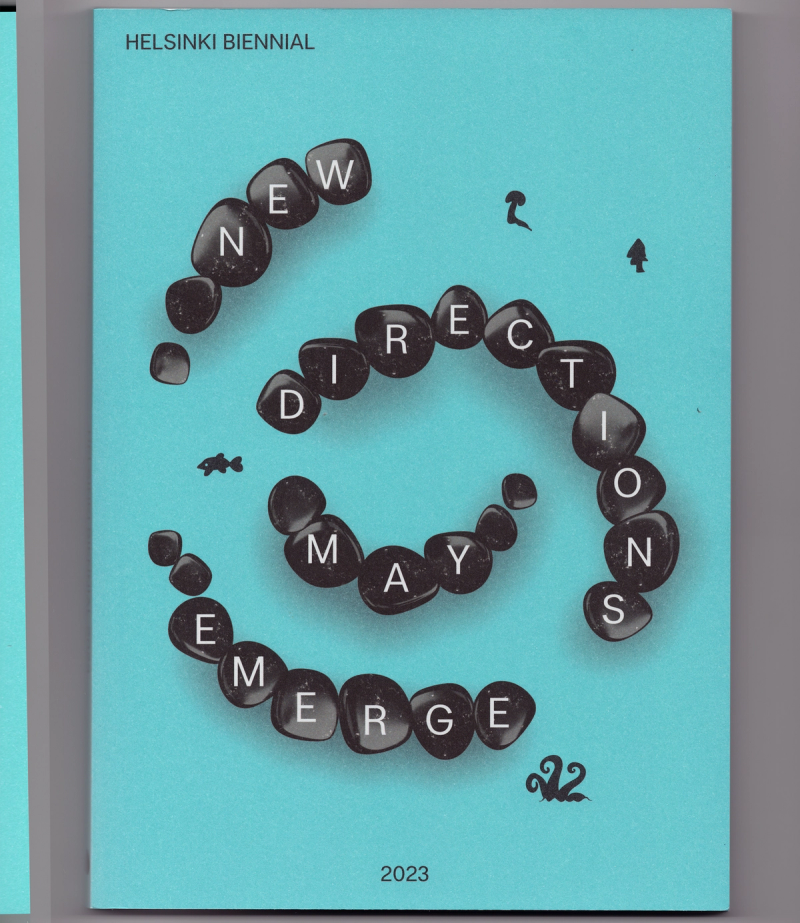
Helsinki Biennial 23: New Directions May Emerge
“As contamination changes world-making projects, mutual worlds –– and new directions –– may emerge.” – Anna Lowenhaupt Tsing
New Directions May Emerge adopts its title from a quote by anthropologist Anna Lowenhaupt Tsing, who proposes learning from (the art of) “noticing”. With close attention to other people, animals, plants, the environment, data, and other entities around us, the biennial explores how we might find new ways of living in, and understanding, the world.
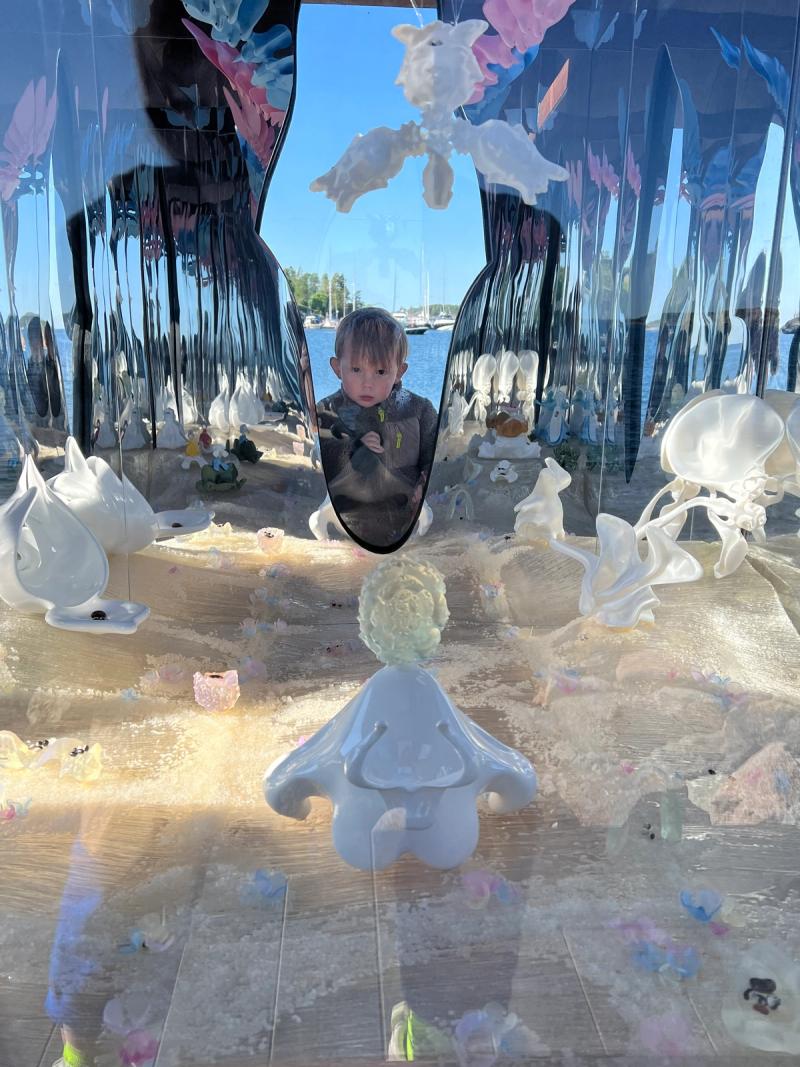
The biennial unfolds through multimodal acts of noticing, sensing and sense-making. Moving from humans to non-humans and between varying scales – a spectrum spanning data as the smallest scale, through to islands and speculative new worlds denoting the largest – the biennial invites audiences to consider how recognising small or otherwise invisible details might prompt possibilities to act, to imagine differently, and reconcile the impact of human intervention, environmental and technological damage.
The biennial introduces three main conceptual threads: contamination, regeneration and agency. The Baltic Sea is one of the most contaminated waters in the world, subjected to waste from regimes of violence and unregulated industrialism. Yet, Helsinki Biennial proposes new layers of productive contamination as a cross-pollination between practices and ideas. Recognising that biennials have often been founded on principles of urban regeneration, in terms of tourism and the economy, it additionally proposes how exhibitions can be a force for healing and repair. Finally, the concept of agency explores how human life, the environment and technologies can evolve together to produce new and unforeseen results.
‘How might contamination be a force for positive change? How can we use biennials for the wider regeneration of things? How might agency extend beyond humans to other nonhuman entities and assemblages, including artificial intelligences? How might these threads be channelled into rethinking the ways that practices and future worlds might be conceived?’ – Joasia Krysa
Helsinki Biennial 2023 Brings Together 29 Artists and Collectives to Exhibit Across Vallisaari Island and the Finnish Capital.
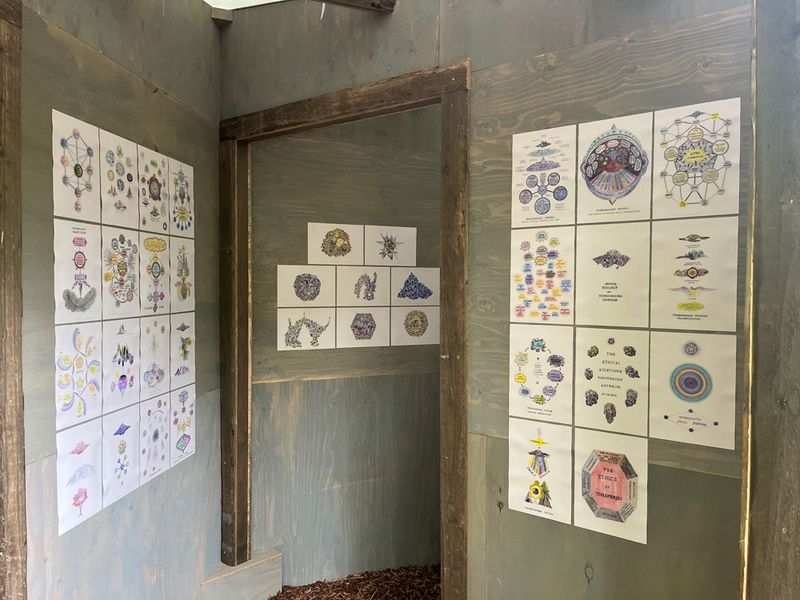
The Helsinki Biennial 2023 participants include: Matti Aikio (Sápmi) * Ahmed Al-Nawas & Minna Henriksson (FI) * Diana Policarpo (PR) Dineo Seshee Bopape (ZA) Sepideh Rahaa (IR/FI) Danielle Brathwaite-Shirley (UK/DE) Bita Razavi (FI/IR/EE) Golden Snail Opera (Anna Tsing, Yen-ling Tsai, Isabelle Carbonell & Joelle Chevrier) (TW/FR/US) RED FOREST (UA/UK/US/MX/DE/FI/ZA) * Alma Heikkilä (FI) * Remedies (Sasha Huber & Petri Saarikko) (CH/FI) * INTERPRT (NO) * Tabita Rezaire (FR) Keiken (UK) * Emilija Škarnulytė (LT) * Sonya Lindfors (CM/FI) * Yehwan Song (KR) * Lotta Petronella with Sami Tallberg & Lau Nau (FI) * Jenna Sutela (FI) Asunción Molinos Gordo (ES) Suzanne Treister (UK) Tuula Närhinen (FI) Adrián Villar Rojas (AR) * PHOSfate (SH/FI) Zheng Mahler (HK)
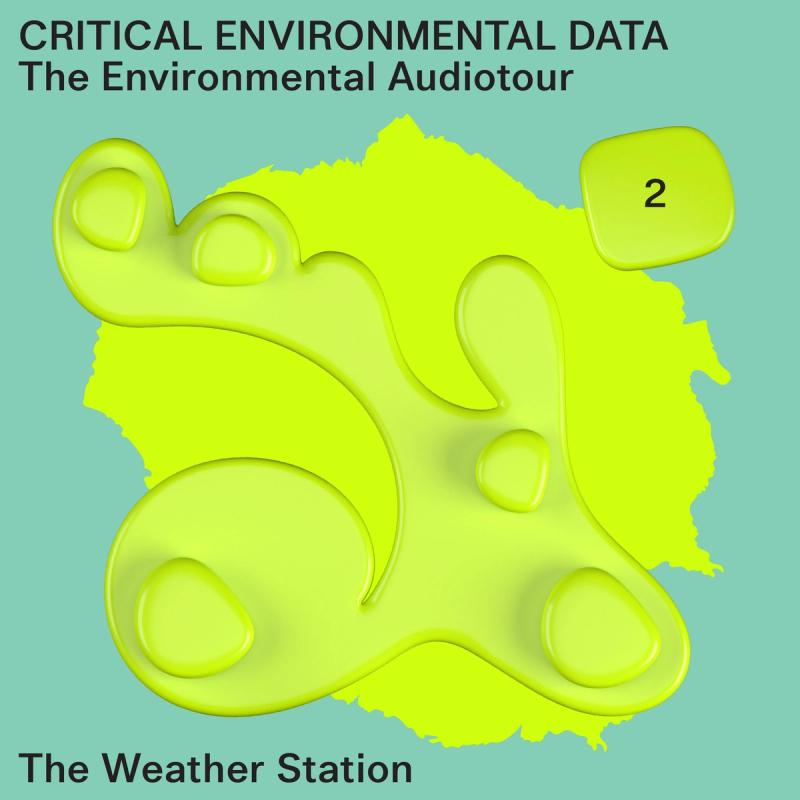
Curatorial Collaborators Critical Environmental Data, a research group at Aarhus University, exploring nature as data and the many possible futures that might emerge. Museum of Impossible Forms (MIF) a cultural centre located in Kontula, East Helsinki, and the coming together of communities of art and cultural workers working to build anticolonial, antipatriarchal, and non-fascist practices and futures. TBA21-Academy, a contemporary art organization and cultural ecosystem fostering a deeper relationship to the Ocean through the lens of art to inspire care and action. ViCCA @ Aalto ARTS, Visual Cultures, Curating and Contemporary Art (ViCCA), a transdisciplinary major at Aalto University’s School of Arts, Design and Architecture. A.I. Entity, created as a collaboration between HAM Helsinki Art Museum Collections, artist Yehwan Song and the Digital Visual Studies, a Max Planck Society project hosted at the University of Zurich.
Creative Collaborations The Helsinki Biennial 2023 visual presentation is a collaboration between graphic design studio The Rodina and spatial consultants Diogo Passarinho Studio (Team: Diogo Passarinho and Gonçalo Reynolds). Supporters The main partners of Helsinki Biennial include Metsähallitus, S Group and Clear Channel. It is also supported by Saastamoinen Foundation. Helsinki Biennial 2023 co-commissioners include Copenhagen Contemporary, KANAL – Centre Pompidou, TBA21-Academy, and University of Zurich. With thanks to Aalto University, Aarhus University, British Council, British Embassy Helsinki, Frame Contemporary Art Finland, Liverpool John Moores University, MO.CO.ESBA Montpellier Contemporain - Ecole Supérieure des Beaux-Arts, Uniarts Helsinki, and Uniarts Research Pavilion.